Sunday, November 13, 2022
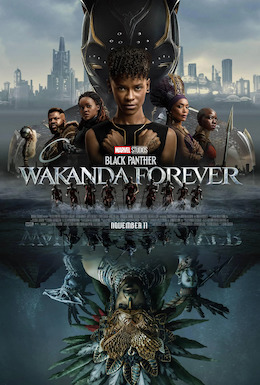
Movie Review: "Black Panther: Wakanda Forever" - Making Peace
Tuesday, October 25, 2022
Changing of the Doctor Part Two: Final Thoughts on the Whittaker Era
Another era of Doctor Who has come to an end as Jodie Whittaker has completed her final adventure as the series' Thirteenth Doctor. It's been an interesting time to say the least, and it seems only right to give my thoughts on the show's last few years from the Doctor herself, her companions, the storylines, and the game changing moments that came about.
As I said in my previous Doctor Who post, Whittaker brought a lot of youthful energy very reminiscent of both David Tenant and Matt Smith and an optimistic personality that never wavered even when her whole universe was literally crashing down around her. I really have no negative notes as her performance was a joy from beginning to end.
The Thirteenth Doctor's initial companions included Ryan Sinclair, his former school mate Yasmin "Yaz" Kahn, and his step-grandfather Graham O'Brian. Having three main companions was a real change of pace for the revival era with the diversity of the characters creating more of a family dynamic, hence the Doctor constantly referring to them as "fam." I really liked them all and what they brought to the show, particularly Ryan and Graham's relationship as they grow closer while still mourning the loss of Grace, Ryan's grandmother and Graham's wife, in the season eleven premiere. Admittedly though, it was a bit of a juggling act getting to know each one and who got more focus in an episode, especially since this era seemed to give just as much focus to an episode's guest characters as the main ones.
Ryan and Graham left the show after season twelve, leaving Yaz as the Doctor's sole companion for the time being. It was by this point that it became evident that Yaz had romantic feelings for the Doctor; it may feel like it comes out of nowhere, but a rewatch shows these seeds were being planted since episode 11.4, "Arachnids in the UK". While they could have returned to formula with the Doctor and their companion with romantic connotations, the thirteenth season introduced Dan Lewis as a new fellow companion. Now Dan was a fun character, but his introduction kind of highlighted this era's penchant for constantly adding characters. More importantly though, it made it seem like the people behind the scenes didn't want it to be just the Doctor and Yaz on adventures. It's as if they either didn't have the skills to write stories for just the two of them or they didn't want to commit to a same-sex relationship for the Doctor without someone of the opposite gender in the mix somehow.
I'd also be remiss if I didn't talk about Sacha Dhawan as the new incarnation of the Master. He reminded me much of John Simm's portrayal, having this manic energy and penchant for theatrics that highlighted his psychopathy. He made a great archenemy to Whittaker's Doctor with his reveal alone being one of the best moments of her era.
When it comes to the stories of the Thirteenth Doctor, there's nothing I can really say that I couldn't about any other Doctor's era. You have some great episodes, some are less so, but the performances of the actors are always on point, usually resulting in entertainment to some degree. I do think her first season was the best, as doing done in one stories with no overarching plot was a fun change of pace. The main criticisms I've seen during this era are that the show became "woke" or that the messages of an episode were too blatant. To the first one, I refer you back to my comments about toxic fandom from my She-Hulk review. On the second, honestly in this day and age, some people need to have things spelled out for them.
I will say though that in their efforts to harken back to the Tenant and Smith eras, they may have borrowed and remixed ideas from Tenant's episodes a bit too much (which makes the next regeneration funny, but we'll get to that). The following is a list of things I noticed that happened during both Tenant and Whittaker's runs:
* The Doctor leaving a pre-recorded message that seemed to respond to its recipients in real time.
* A black and red bug themed monster of the week.
* The Doctor's memories being contained in a pocket watch.
* The current Doctor's end being prophesized with the message hanging over their head up to their final episode.
* Companions from the classic era returning and making the current one feel less special.
* The Master copying his genetic template into someone without their consent.
* The Doctor and a large group of allies working to save the day (twice in Whittaker's case).
It just seems a little too coincidental if you ask me.
Of course, the biggest development in Doctor Who to come from this era is the Timeless Child revelation. As it turns out, the Doctor was not born on Gallifrey, but was found as a child and brought there with their ability to regenerate discovered and then implanted in what would become the Time Lords. At some point, the Doctor had their memories erased before regenerating once more into a child that would eventually become the First Doctor introduced when the series began in 1963.
The implication that there were multiple regenerations before the First Doctor has had a polarized reaction within the fanbase. Some applaud it for doing something new with the franchise while others see it as a needless change that brings complications more than anything. I'm a bit torn on the matter. I started watching with Tenant, so I don't think I'm allowed to be as mad about this as those who have been lifelong fans. Besides that, Doctor Who has been no stranger to retcons, with John Hurt's War Doctor being a prime example. More relevant though, the rules of regeneration have been a little fast and loose within the show's history, but the prominent standing has been that Time Lords are only allotted twelve regenerations (though the Doctor received another set of twelve at the end of "The Time of The Doctor"). However, the classic era episode "The Brain of Morbius" from 1976 implies that there were more incarnations of the Doctor before the First and is referenced during Whittaker's era.
I do sympathize with some fans' anger though who adhered to the established rules of regeneration and that William Hartnell was the true First Doctor. The Timeless Child revelation has felt like a black cloud over the show ever since. I was honestly expecting them to retcon the retcon after the fan reaction and reveal it was the Master who was actually the Timeless Child, but they stuck to their guns and I respect that. However, it does feel like this is something that the showrunners moving forward will avoid referring to, similar to how Marvel didn't talk about the Spider-Man Clone Saga for years after its completion. When the Doctor retrieves a pocket watch that contains her pre-First Doctor memories, she asks the TARDIS to hide it away, and it's not brought up again for the rest of Whittaker's run.
When it comes to the Thirteenth Doctor's final episode, "The Power of the Doctor", I thought it was overall fine if a bit rushed. The premise was interesting and there were a lot of good ideas used, though not to their full potential in my opinion, especially since this episode also seemed to be serving as an anniversary special as well. Nonetheless, it was a good way for Jodie to ride off into the literal sunset.
Overall, I think Whittaker's time as the Doctor will be viewed as infamous not because of her but because of story choices made during her run. It's kind of a shame because there were still plenty of good moments these last few years.
I'm about to go into SPOILER territory now concerning the Doctor's latest regeneration and what it might mean for the future, so I'd advise to stop reading now if you haven't watched "Power of the Doctor" yet.
First off, I'm sure the TARDIS appreciates that the Doctor actually landed this time and regenerated outside. Of all the regenerations I talked about, this one is definitely the most optimistic and fits Jodie's Doctor well. Even in the end, she was just happy to give someone else a turn.
During the course of the episode, the Master had actually prompted a forced regeneration on the Doctor and transfer himself over to her body, intent on ruining the legacy of the name (sort of a Superior Spider-Man situation, which is funny because I used this comparison in my Iron Fist season two review and it was Sacha Dhawan there too). Inside the Doctor's mind though, she was alive and encountered manifestations of her previous incarnations (with actors reprising their roles) who tell her she can still return. Thanks to Yaz's efforts, the regeneration was reversed and the Thirteenth Doctor came back and saved the day. As a proper regeneration was triggered by the episode's end, it seems that despite looking forward to the future, some part of her was still looking back and threw a curveball as she regenerates into another previous incarnation with David Tenant returning to the role. And they've since made it clear that this isn't the return of the Tenth Doctor; the version Tenant is playing now is indeed the Fourteenth Doctor.
While it feels like a stunt to bring David Tenant back as the Doctor (in addition to Catherine Tate as Donna Noble) for a few special episodes in hopes of bringing back fans who may have given up in the last few years, it is still David Tenant after all. The man's original tenure as the Doctor brought in a new generation of fans (myself included), is regarded by many as the best version, and they even considered ending the show again when he wanted to retire. His reputation precedes him, and it will be fun to see him on new adventures and it could be interesting to see how Fourteen may be different from Ten.
Doctor Who won't return until November 2023, but like Thirteen, I'll be hopeful for what the future brings to the Doctor and the fans.
Sunday, October 23, 2022
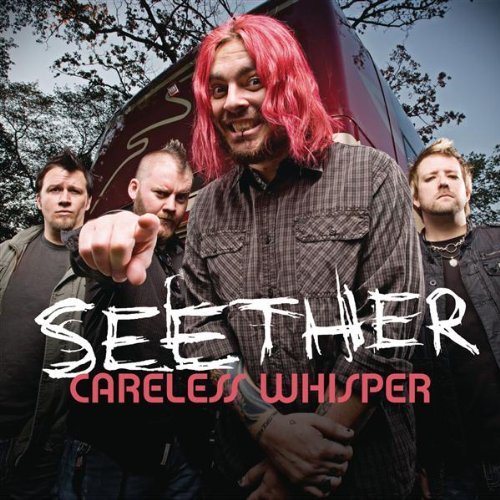
My Top Five Favorite Song Covers
Sometimes a song is so good that other artists will want to put their own spin on it. And sometimes those versions become iconic in their own way. I've heard a lot of song covers over the years, and while a lot of them are very well done, there are some that have left such a personal impact that I can't help but think about them even when listening to the original versions. The following isn't necessarily a "better than the original" list, but more so just my thoughts on how these specific versions stood out to me. So without further ado, these are my top five favorite song covers.
In 1984, Eagles vocalist Don Henley produced a classic song about lost youth and summer love with "The Boys of Summer". In 2003, the Ataris took the song and were able to put a pop punk spin on it, resulting in the band's most successful single. Both versions are able to deliver emotional vocals and encapsulate the sound of the decade they were released in. Where I think the Ataris' version shines best though is how it closes out, screaming out the final verse with the music gradually reaching a stopping point rather than continuing while slowly fading out. Even when I'm listening and singing along to Henley's version, I'll still belt out the end as if it were the Ataris' for that strong conclusion.
When you compare the two versions, it's clear how Placebo made the song their own. A haunting tone coupled with the unique vocals of frontman Brian Molko brings about darker implications of the song where you can really picture someone desperate and at the end of their rope.
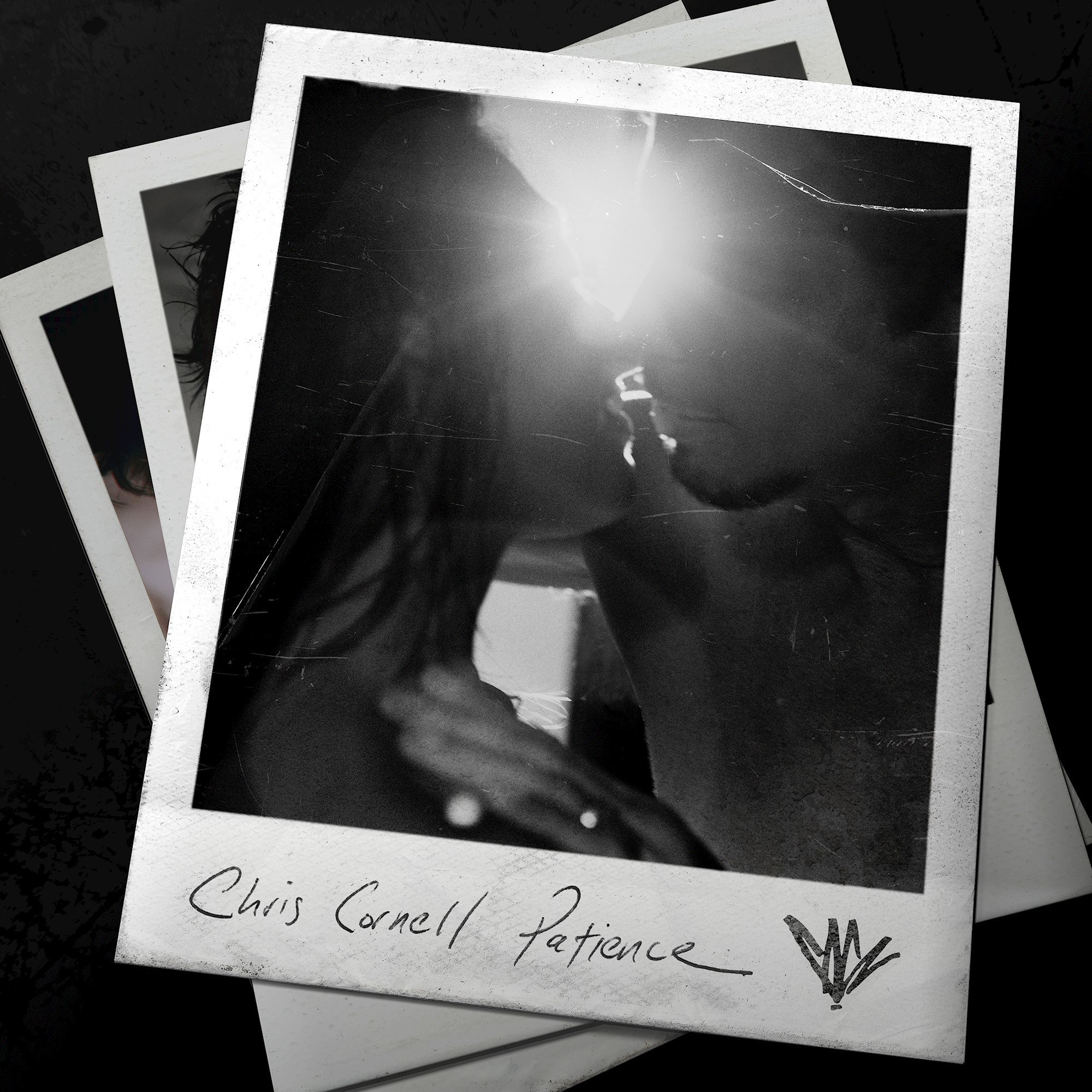
I just feel Cornell got right to the point of the song. I don't think it's out of line to say you could look at the Guns N' Roses version as a tad drawn out and its message could be missed in the long musical interludes. Besides trimming some of the fat so to speak, I feel Cornell's iconic vocals helped elevate the song and including one last chorus at the end was a stroke of genius.
Friday, October 21, 2022
Movie Review: Black Adam - Electrifying
When I started watching wrestling in 2001, one of the biggest stars of the time was Dwayne Johnson, better known by his ring name of The Rock. It was during this time when the Rock was starting to branch out as an actor. Initially splitting his time between WWE and Hollywood, I would go to see whatever movie, usually action based, was being promoted at the time, including "The Scorpion King", "The Rundown", and "Walking Tall". As Rock began spending less time in WWE and started to do more than action movies, I was less inclined to see a movie of his unless it interested me. He may be using his real name for starring roles and he's more actor than wrestler now, but to me, he'll always be The Rock.
When it comes to "Black Adam", this has been a passion project for Rock, having been attached since 2014 when the larger DC Extended Universe was still being planned out after "Man of Steel". It's taken some time, but the film that's been hyped up to forever change the DCEU has finally arrived. Was the hype warranted? While it certainly delivers repercussions that will be felt later in the DCEU, the film itself I can at least say is worthy of the Rock.
Thursday, October 13, 2022
TV Review: "She-Hulk: Attorney at Law" - Good Green Fun
The character of She-Hulk has been an interesting one since her creation in 1980. Unlike her male cousin of the same namesake, Jennifer Walters is able to maintain her rational personality, which has allowed her to live a more balanced life as a gamma powered individual. For the most part, She-Hulk has been depicted as a fun-loving character with stories to match. Going into her Marvel Cinematic Universe Disney+ series, I feel that most need to know that beforehand.
In the case of "She-Hulk: Attorney at Law", this is basically Marvel's take on a workplace comedy, with emphasis on the comedy. Tonally, this show is a bit more over the top compared to other MCU movies and shows; I think it's because of that sitcom nature that makes "She-Hulk" feel the most like a Marvel TV show since "WandaVision", especially with episodes being mostly able to stand on their own. It has its serious moments, but its biggest strength is its comedy, which allows for some of Marvel's more sillier characters like the Wrecking Crew or Leapfrog to make their live action debuts. Before Deadpool debuted, the She-Hulk comics would frequently break the fourth wall, an aspect that has carried over to live action. Without spoiling much, the finale shows the fourth wall being obliterated in a way that not even the Deadpool movies have done (yet); the results of which I'm a little mixed on, but I still admire the risk and craziness of what was produced.
A point of worry that worried some since the show's first trailer was the CGI, especially for our title character. Thankfully, most of the issues with that seemed fixed in the final product. There are a few scenes where the character seemed a little off, but I think She-Hulk was well rendered in a serviceable way for a majority of the series.
There isn't a ton of action, which makes sense when you consider the nature of the show. What action that is present is still well done, and I think there was a lot of thought put into those scenes since they knew there wouldn't be a lot of them.
When you boil it all down, "She-Hulk" is a show where you're just supposed to have fun, and not everything has to be taken so damn seriously.
I really have to applaud Marvel for calling out a lot of toxicity in their fanbase. Since the mid-2010's, there have been a certain subsection of comic fans accusing Marvel of "replacing" their well-known characters, typically white males, with new ones, whether they be female or a different race, using the same monikers, not even waiting to read the stories they star in before decrying them (Jane Foster's Thor or Sam Wilson's Captain America being examples). Within the show, She-Hulk is the target of Intelligencia, a men's rights group who inexplicably hate her and think she doesn't deserve the power or attention. And if you feel personally attacked with how Marvel portrays the group or individuals within it, you're kind of proving their point.
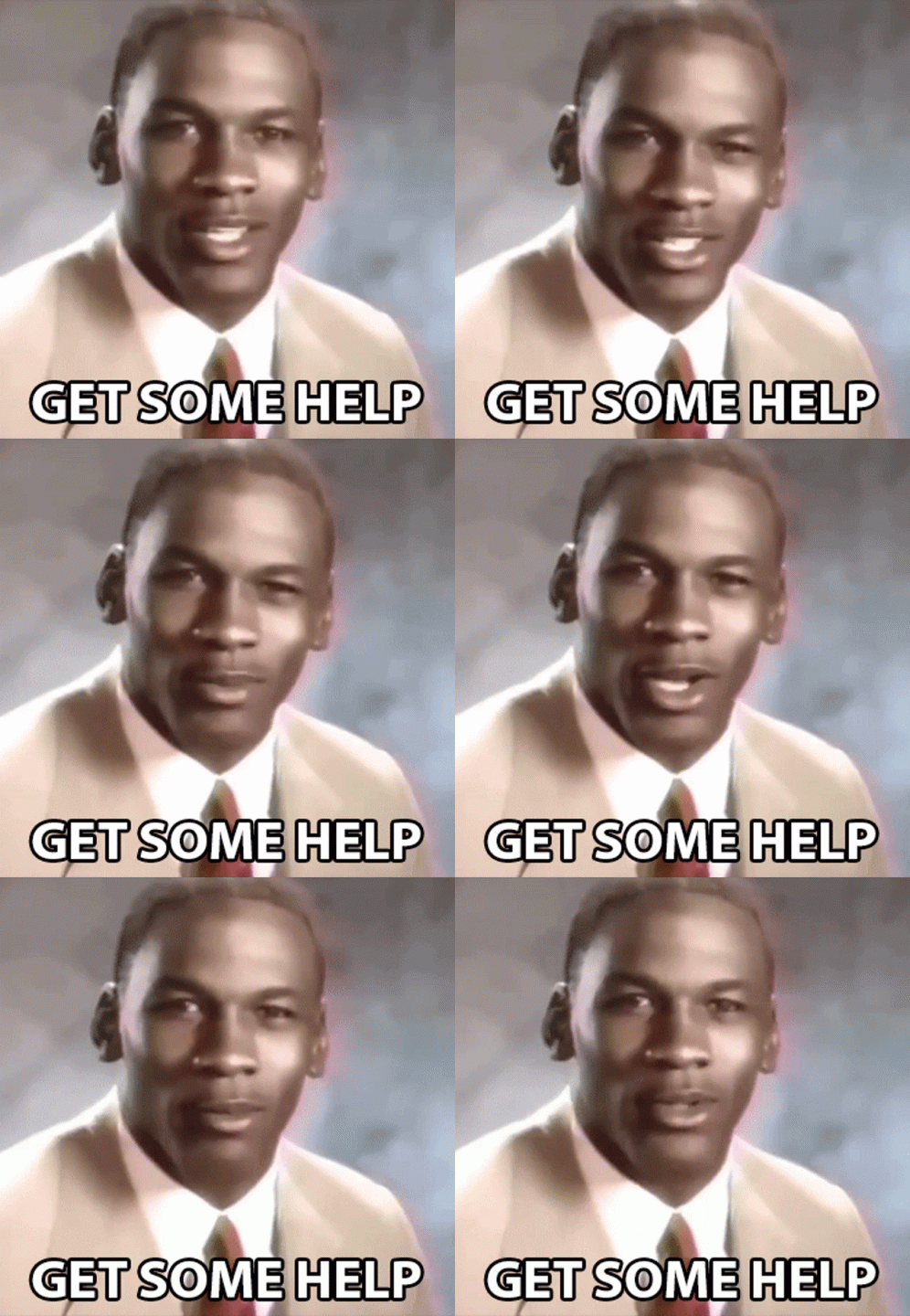
I wish this was a problem solely within Marvel, but unfortunately many fandoms have these kinds of individuals. Star Wars, Doctor Who, Lord of the Rings, and even freaking Scooby Doo are only a few examples. It's people like this who give geeks with more open minds a bad name. It's kind of ironic when you think about how before geeky things became mainstream pop culture that those who liked this stuff were made fun of, and now some of those outcasts are now trying to exclude others from something they like. Before I get off my soapbox and back to the review, I'll just leave this message for those people:
I also really enjoy how the first episode shows how she's different from her cousin Bruce. When Jen becomes a Hulk, Bruce is all ready to take her on his multiyear journey he used to reach the Smart Hulk state he's in now. However, Jen is quick to show that she has a more stable mindset to control her form compared to when Bruce first transformed. It goes to show that not all Hulks are the same (which can also apply to Abomination).
Going off of that, there are a couple things I'd want to talk about with the MCU's Hulk. The first, which came about while watching this series, is I really wish the character got some more spotlight after his 2008 film. This show goes into detail about why Jen is able to control her Hulk form, but why was Bruce different? The comics go into detail about this, but the MCU never did; I would really like to see a deep dive into Bruce's psyche and learn how his Hulk manifested the way it did.
Another thing is a long time fan complaint about Hulk being "nerfed" after "Ragnarok" and how turning into Smart Hulk made the character weaker than he was before. Let's just think about this. It's established that Hulk is as strong as he is angry, especially when he's in the driver seat. Smart Hulk is an amalgamation with Bruce's smarts and Hulk's strength. The comics have shown this combination, but when Bruce relinquishes control, we get our classic, savage, indestructible Hulk. Shouldn't it stand to reason that the same could happen at some point in the MCU with Bruce letting go of control? And even if it doesn't, shouldn't we just be happy that Bruce has been able to find some happiness in his life after so many years of strife?
Friday, July 15, 2022
TV Review: Ms. Marvel - Living the Dream
Sunday, July 10, 2022
Movie Review: "Thor: Love and Thunder" - Ragnarok 2, Electric Boogaloo
For all intents and purposes, Chris Hemsworth's Thor is the last Phase One leading MCU hero standing with "Love and Thunder" marking his fourth solo film. Following the success of "Ragnarok", it was obvious that director Taika Waititi would return for any follow-up. So does lightning quite literally strike twice here? Well, there's a bit of give and take.
Obviously the tone from "Ragnarok" carries over, but even some of the story beats in "Love and Thunder" are similar to its predecessor. To name just a few, we have Thor briefly working with other heroes who have their own series, a silly side villain (though to Russell Crowe's credit, his depiction of Zeus is more accurate than the Hercules Disney animated film), and a main antagonist with a death motif.
In many regards though, there are many aspects where "Love and Thunder" shines better. For starters, there's the music which continues Waititi's use of classic rock for his Thor films. While "Ragnarok" used Led Zepplin's "Immigrant Song" for two pivotal scenes, we now have quite a selection of Guns N' Roses songs to give more variety and more of an "umph" to certain scenes.
More importantly though, I feel there's more emotion to the plot this time around in two particular ways. The first is the relationship between Thor and Jane Foster, with Natalie Portman returning to reprise her role and now wielding Mjolnir herself. While we haven't seen Jane since "The Dark World" and we can only guess about how Portman's relationship with Marvel soured afterwards, I really enjoyed having her back with this film. Waititi does a great job at recapping their relationship, goes into more detail about her and Thor drifted apart, and makes the viewer fall in love and root for them all over again. I will say that of all the Guns N' Roses songs used for the film, I feel it was a missed opportunity not to include "Patience" in regard to the two.
Then you have Christian Bale as Gorr the God Butcher, our main villain. Sometimes I forget how much Bale puts into his roles, and Gorr is no different. Bale delivers what is probably the scariest MCU villain to date, both in his look and a performance that can be mesmerizing to take in. With the Necrosword, Gorr is cursed with both his body and mind seemingly being ravaged as he works toward his goal of killing all gods. But there's definitely more of a sympathetic aspect to him compared to Hela, where you understand what's motivating him and still feel for him even as the film reaches its climax.
In terms of the action, I don't think there's one bad fight piece in this entire film with some of the most brilliant choreography and cinematography we've seen yet in the MCU. When it comes to the comedy though, it doesn't always land quite as well as it did with "Ragnarok". It can get a little grating at times with the most annoying aspect to me being the damn screaming goats and I wish that meme would just die off already.
Everyone who's returned from previous films does a great job here but I really have to hand it to Chris Hemsworth. Whenever we see Thor in a Marvel film, it's always different as we see the character progress. "Love and Thunder" shows him still emotionally dealing with events from past films and now that he's passed rulership of New Asgard to Valkyrie, he's looking for purpose. This film is essentially Thor's midlife crisis and Hemsworth does a good job at showing that as his character appears more unsure of himself than we've ever seen him before. With how the film ends and Hemsworth seemingly still on board for more, it'll be interesting to see how Thor will be when we see him again.
While I do seem to be giving more praise than criticism comparing "Love and Thunder" to "Ragnarok" as I hinted at at the beginning, I honestly think "Ragnarok" is still the better of the two. "Love and Thunder" does improve on a lot of what "Ragnaork" did, but it does still feel like a copy in some ways. And to me, "Ragnarok" still serves as a grand conclusion to Thor's original trilogy while "Love and Thunder" makes it clear there's still story to tell. Whichever film you prefer, it's clear that Taika Waititi is the best fit for this corner of the MCU.


.jpg)
_poster.jpg)