Sunday, August 2, 2026

TV Review: "Batman: Caped Crusader" Season 2 - Upping the Ante


The Dark Knight returns to Prime Video with another season of the golden age inspired "Batman: Caped Crusader." In following the escalation theory prevalent in the Batman mythos, this season ramped things up as our hero's war on crime reaches levels beyond common mobsters and murderers that test him physically and psychologically.

Much of what made the first season work carries over here, particularly the "Villain of the Week" format. Though I will point out there's more serialization involving two main villains. The first is the Riddler, who takes over Rupert Thorne's operations after the mob boss disappears. Riddler's way of running things leads to more chaos and death, especially when he goes full "Bonnie and Clyde" with who I would consider this show's version of Poison Ivy. But Riddler can be seen as a bridge between the traditional crime boss in Thorne and the super criminal best personified in the biggest enemy any Batman would face.
The Joker was teased in a post-credits scene at the end of last season and is seen throughout season two preparing his ultimate plan in the shadows before making a hell of a public debut at the start the two-part season finale. This has to be one of one the creepiest versions of the Joker put to screen. While carrying the character's anarchistic and nihilist traits, this is a much more subdued version in line with his first comic appearance. He hardly smiles and when he does it's more of a slight grin, which makes the moment we get a full-on laugh more significant. The way the Joker Venom is depicted is also unsettling as it draws out the victim's death and you can see the pain in their eyes and voice.

But there are plenty more bat-villains to enjoy this season. Much like last season, there's a mix of golden age villains, like Hugo Strange and the Mad Monk, and villains who came later like Roxy Rocket reinterpreted to fit that era (along with some other modern comic plot elements). I would say they even go further by taking villains who technically debuted in the golden age like Scarecrow and Mr. Freeze but redone in a more pulp style of the first year of Batman comics.
Along with the Scarecrow episode where Batman has to team up with Harley Quinn to stop him, another highlight episode for me was Jim Corrigan's transformation into the Spectre. Unlike the supernatural route that led to the misstep of the Gentleman Ghost last season, the Spectre comes out of a science experiment to extend one's life expectancy gone wrong. Targeting those the law failed to put away, he's essentially a ghost taking care of unfinished business; add in that the episode takes place on Christsmas Eve and it's a BTAS caliber twist on Dickens' classic.
While not a villain per se, this season introduces the character of Hattie Tetch, a gender bent version of the Mad Hatter. Unlike how they depicted the Penguin last season, Hattie shows real effort from the creators in differentiating her from her male counterpart. Instead of using hats or playing cards to control people though, she's a news personality who has some warped views on who the good guys and bad guys are. You can make your own cable news connotations there.

As you can probably guess, the villains kind of overshadowed our protagonist this season. Bruce does still get some development though as he slowly accepts he doesn't have to work alone. This mostly involves forming a partnership with the Gordons, but we also get a follow-up appearance by Carrie Kelley that highlights the benefits and pitfalls of the kid sidekick.

Those who enjoyed the first season of "Batman: Caped Crusader" should have no worries going into its second and most likely last season. "Caped Crusader" was always a holdover from a previous WB regime that we were lucky still got to see the light of day. But with the announcement of the Absolute Batman animated series, the writing's on the wall. "Caped Crusader" was nonetheless a great adaptation of one of the premiere superheroes. If there's one takeaway I got particularly from this season, it's a similar feeling I had rewatching the Nolan trilogy recently, that Batman's fight against corruption and chaos is a timeless one that we should feel inspired by.

Saturday, August 1, 2026

Movie Review: "Spider-Man: Brand New Day" - Welcome Back Parker


After the events of "No Way Home", Peter Parker finds himself in new territory within the Marvel Cinematic Universe. In many ways, "Brand New Day" delivers the MCU Spider-Man movie fans have been wanting to see while still carrying a divisive trope from the previous trilogy.

From beginning to end, this may be the most emotional Spider-Man film yet. With six total films (three ensembles and three solo), we're fully invested in Tom Holland's Spider-Man and his well-established spot in the MCU. After having to erase the world's memory of Peter Parker and deciding to seclude himself from those closest to him, he's been through a lot to say the least. Even Michael Giacchino's iconic Spider-Man score highlights the struggle, having a more somber tone rather than the triumphant one we're used to. This makes for some pretty heartbreaking moments, especially in his scenes with Zendaya's MJ; their chemistry remains on point, and I love how they're married in real life now. It leads to an existential crisis in the same vein as Raimi's "Spider-Man 2" (there's actually quite a few homages to that film) but inversed with Peter's powers evolving rather than disappearing. Besides the external threats, Peter's main conflict is finding the balance between the spider and the man. And if you pay attention to how much he wears the Spidey mask and when, it's a good indication of where his mind is at in the moment.

Style wise, it's for the most part a street level MCU Spidey film and there was clear influence from the PlayStation/Insomniac games. Peter's been operating for years, has a firm partnership with NYPD, and a rogue's gallery he's put behind bars (including Michael Mando finally suited up as Scorpion). The action scenes or just Spidey swinging look like they're ripped right from the games. But I think what most people will enjoy is seeing Peter left to his own devices. No longer backed up by Stark tech and mostly acting as a solo hero, Peter's had to rebuild himself from the ground up but it's still clear he's come a long way from the high school kid in baggy sweat clothes.

Of course, it's still the MCU which means we have wider connections to explore.
Filling the kind-of mentor role for Peter this time around, Jon Bernthal is back once again as Frank Castle/Punisher. It just makes sense to have the New York vigilantes cross paths and a history between the two is clearly established (and it's my headcanon Pete's had to have teamed up with Matt too at some point). If Happy was the annoyed big brother, Frank's more of an antagonistic big brother to Peter, setting him apart from past mentors. What really sells their partnership is Bernthal and Holland's own personal history, having worked together in the past and helping each other prepare to take on their Marvel roles.
Mark Ruffalo is also back as Bruce Banner, who Peter goes incognito to for advice on how to get his mutating powers under control. Unfortunately for Bruce, this puts him in the crosshairs of the film's villain, triggering a full savage Hulk transformation for the first time since "Infinity War". People who have been wanting that Hulk back will be happy to see it, and the fight between him and Spidey is an entertaining moment we can check off the Marvel movie bucket list, but I know few will absorb the tragedy of the moment. Pre and post transformation, Bruce comes across like an addict who fell off the wagon and in anguish over "his" actions. Ruffalo sells it so well, especially with how he keeps asking if he hurt anybody.
Sadie Sink plays our main villain, though I won't be spoiling who it is here. All I'll say is that her character continues to expand the mutant presence in the Sacred Timeline of the MCU and Damage Control's antagonizing nature toward it as seen in "Ms. Marvel" and "Wonder Man". That, and Sink's performance totally steals the show in the film's third act.
All that said, some of these wider connections do kind of hinder the street level aspect during the second half of the film. It's still all well put together, but it may lose viewers going in excited about the former as it plays into the belief that Sony overly relies on the MCU connections in the Spider-Man films.

"No Way Home" was always going to be a tough act to follow, but "Spider-Man: Brand New Day" proves there's still life in the web-head's film franchise. Full of action and emotion while setting up promising future developments for Peter and others within the MCU, we're given a must-see film as this year's Summer Blockbuster season starts to wind down.

Friday, June 26, 2026

Movie Review: Supergirl - Turbulence in Paradise


So far, James Gunn has spearheaded every project in the DCU, whether it be as writer or director. This year will be the true test of this burgeoning interconnected universe with three projects where Gunn is strictly in the producer seat. "Supergirl" is the first and unfortunately shows why Gunn may need to be a little more hands on.

We got our first look at Milly Alcock as Supergirl in a cameo at the end of "Superman" last year and it was pretty clear the direction they were going for the character, i.e. Rick Sanchez "Wubba lubba dub dub!" vibes. To be clearer though, we're seeing a Kara who has some unresolved trauma she buries in liquor and partying. Couple that with the trailers showcasing the film to be a gritty "John Wick in space" (with a touch of "True Grit"), Supergirl was definitely going to differentiate from her cousin in terms of both character and tone.
While I understand they were going for a darker story, they may have taken it too literally. One of the main problems with the movie is the lighting, specifically that they need to turn on a light! I'm not asking for Schumacher style neon, but it's hard to enjoy some of the action when I'm straining to make out what's happening half the time. Even with the climax of the film where it's set outside with natural sunlight, the shadows still seem to be overpowering, save for the final slow motion action scene set to a song in true Gunn fashion. Going off that though, while there's plenty of music in the film, it doesn't have the same impact as an actual Gunn film; even the action scene I mentioned left a little to be desired in my opinion.

So those are the technical issues. Story wise, it's kind of cliche with a hypocritical resolution. It also feels like there were some moments left on the cutting room floor, which makes character development moments feel unearned. This hurts the emotional moments as well since certain choices characters make leading up to it are, for lack of a better word, stupid.
And then there's our main villain, Krem of the Yellow Hills. Just mix the scene chewing of Ronan or Dar-Benn, give him a composite design of Yellow Bastard from "Sin City" (with a hint toward some of that character's certain proclivities) and Xerxes from "300" and you have Krem.

Now there are some silver linings to the film. Milly Alcock sells this version of Kara very well, showcasing a good person dealing with the bad hand she's been given in life. The flashbacks of her growing up are a real highlight as well and works to show the differences between her and Clark in terms of nature vs. nurture. We also have the return of our favorite chaotic good boy Krypto, but our main show stealer this time around is Jason Momoa as the DC character many say he was meant to play, Lobo. While I enjoyed his time as Aquaman, Momoa IS Lobo; the downside to that though is that you'll be wishing he was in more of the film than he is.

Overall, "Supergirl" is a surprise misstep that shows the film side of DC still has some work to do in finding steady ground.

Sunday, May 31, 2026

Hush 2: Pointless and Frustrating


I had intended this to be a regular review of the storyline, but as the title of the post indicates, it's not worth the effort.
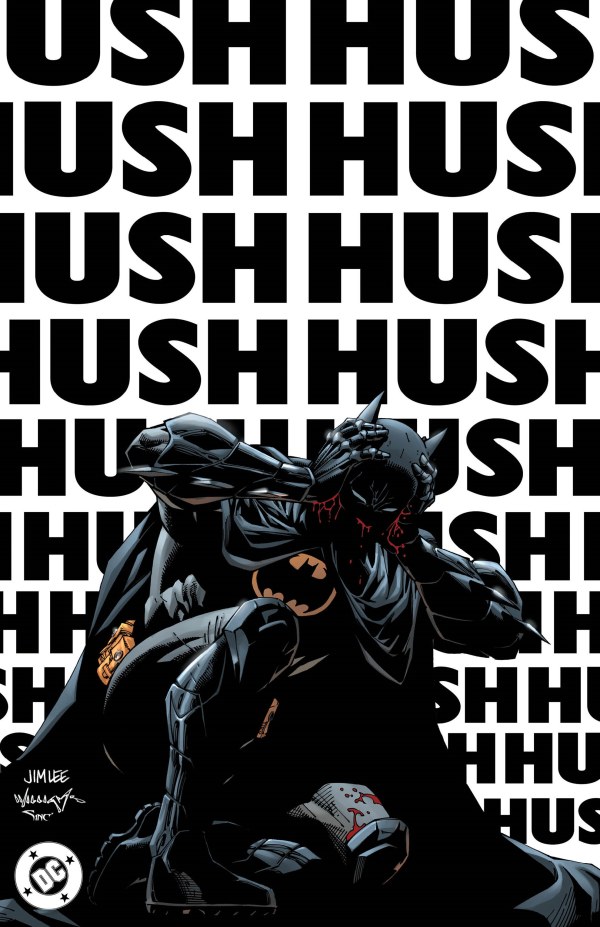
"Hush 2" (stupidly stylized as "H2SH") saw the creative team of writer Jeph Loeb and artist Jim Lee reunite for the sequel to their original 2002-03 Batman story. This is despite the fact the character of Hush had been a recurring villain as recent as the end of Peter Tomasi's last run on Detective Comics in 2020. And if any story was worth being a true follow-up, it would be Paul Dini's "Heart of Hush" from 2008. Regardless, the "Hush 2" we did get has been poorly received and met with numerous delays. It's basically "All Star Batman and Robin" all over again, which Lee also worked on with another acclaimed Batman writer past his prime, Frank Miller.

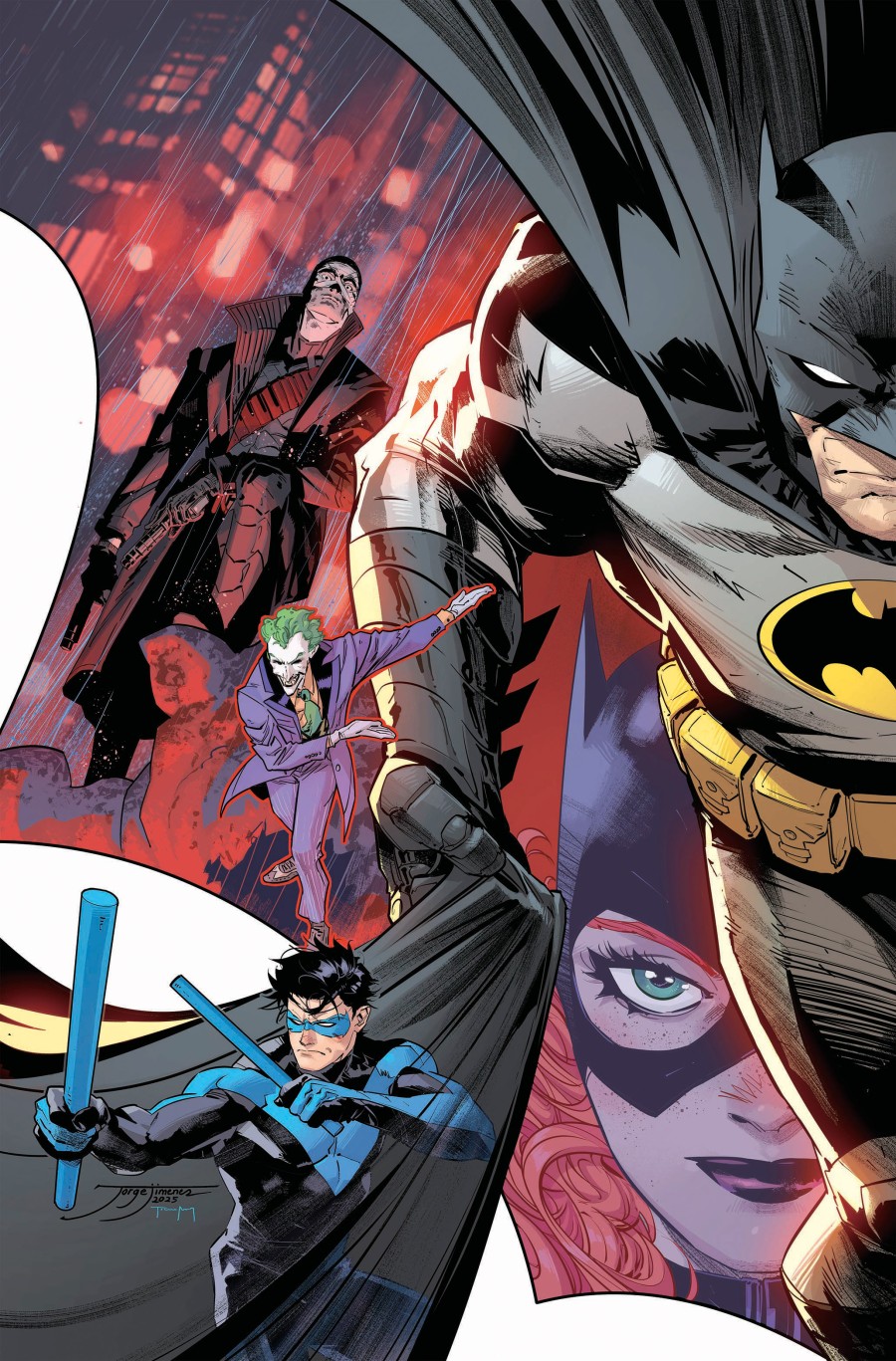
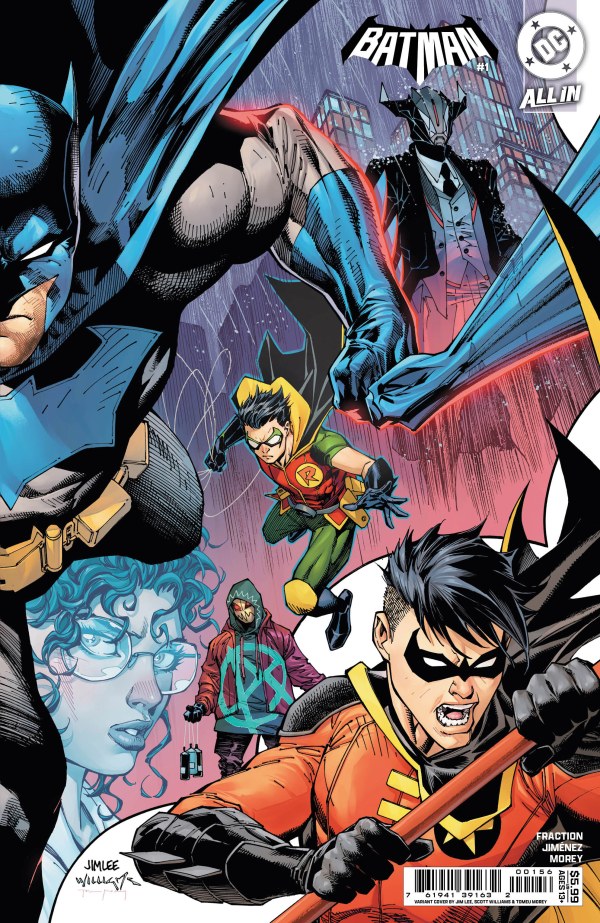
"Hush 2" was meant to run from March 2025 to August 2025 to conclude that current volume of the main Batman book before it was relaunched in September with Matt Fraction taking over as the writer. Yes, ending and immediately restarting a book with a new issue one is still a frustrating practice of the big two, but I give DC credit that they're more restrained compared to Marvel in recent years. To mark the occasion, we would see Bruce don an updated batsuit (with Tim and Damian getting new Robin suits too) which would also appear in the rest of the Bat-books and the broader DC universe. Couple that with the fact that variant covers of the final and first issues of their respective volumes were meant to connect, this implied "Hush 2" would have major ramifications.


As I mentioned though, delays started to occur with the release schedule of "Hush 2". Now normally, if a book was behind schedule, particularly one with line-wide implications, it would in turn delay what's meant to come in the aftermath. I don't know if reviews had played a factor, but when September came around, DC went as scheduled with Matt Fraction's new Batman #1 despite the fact "Hush 2" only reached part four of its six issue run. By the time part six finally arrived this May, Fraction's run had reached issue nine.

Fraction's run and the other Batbooks by September were meant to take place after "Hush 2". Throw in the fact that none of those books have made any reference to that story and it begs the question of what the point of it even is. DC obviously didn't even care enough to make sure it was finished before moving on to what came after. If it weren't for completionists like myself, especially since it was part of the main Batman book, many more would have dropped this story without a second thought.

But here's the real kicker. After fourteen months to get these six issues out, the story STILL isn't over! Part six not only has no plot resolutions but ends on a cliffhanger with a tease for "H2SH 2", which read out loud would be "Hush 2 2" (do you see what I mean now with that stylization?). Despite the plan to lead into Fraction's run, this was apparently always meant to be a twelve-issue story like the original. Artist Jim Lee has said the second half will be its own miniseries and will have a consistent release schedule once everything's completed. But again, what is the point? Considering the time it took for the first half to come out, who knows how long it will take for the second and how far ahead the Batman books will be when its finished? And I don't see many readers eagerly waiting for it considering how the story's gone so far. This is why I'm not giving "Hush 2" a full review. I can't take waiting on a story that so far has been nonsensical and ultimately doesn't matter. Though if it's anything like "All Star", I would be surprised if a promised continuation to wrap up the story actually materializes.

However, there is one plot point of "Hush 2" that warrants discussion. A plot point I've been boiling over for about a year that I am not letting off the hook just because I'm not giving the story full attention.
In one of the many inversions of the original "Hush", Hush leaves the Joker for dead with Batman being the only one who can save him, as opposed to nearly killing him like before. And apparently, this pisses off the entire Bat-family who act like this is the worst thing Bruce has ever done. By the way, all the Bat-books post "Hush 2" show everyone on good terms so again, no point. So what is the reason Batman would save the Joker? Simple: because he's Batman.
Despite not being part of his inception and the movies playing fast and loose with it, Batman's no-kill rule is a fundamental part of the character. Now people point out he'll do everything to criminals just short of killing, the exaggerated takedowns from the Arkham games being a prime example. That's not to say Bruce won't lose his composure if pushed too far; it's part of the humanity that makes the character relatable. But as much as he was born from violence, Batman was also born from compassion. Bruce's crusade is about preventing anyone from suffering a loss like him due to crime and that those who would commit those crimes have justice served against them. That's part of why he deals with the revolving doors of Blackgate and Arkham; despite all evidence to the contrary, he hopes to all hell that his enemies, even someone like the Joker, can find repentance. As for letting someone die from something you weren't responsible for, that doesn't matter to Bruce. In his mind, the blood would be just as much on his hands.
There's a flashback scene from the first issue of Tom Taylor's current Detective Comics run where Bruce's father Thomas performed surgery on a man (who we learn would turn out to be Joe Chill) after a car accident despite seeing evidence he was physically abusive to his pregnant girlfriend. Some of Thomas' colleagues and his wife question his decision to save him. A young Bruce overhears the conversation between his parents and is also curious about his father's actions. Thomas responds "We don't know how a life will be lived. We don't know it's value. And if we can save a life, and we don't, what would that make us? You save the life, Bruce. No matter what." As a doctor, Thomas took the Hippocratic oath. Bruce lives by that in his own way. It's something he's also passed down to Dick. In another flashback scene from Taylor in his prior run on Nightwing, a young Dick gets heated during a training session with Bruce, who needs to bring him back down. He tells his ward that they don't know the circumstances that brought someone to crime and that their job is to stop criminals, not punish them; "We can't hurt people because our parents died."

Above everything else wrong with it, I think that's the main reason I reject "Hush 2". In any other story, Bruce's friends and family would understand without question why he would save the Joker's life. He's even done it before like in 2001's "Last Laugh" event where Bruce had to resuscitate the Joker after Dick beat him to death believing he had Tim killed (though if anything it was about keeping blood off Dick's hands). Or even in the original "Hush" where Bruce nearly took it himself, Gordon appeared to talk him down. Considering the Joker crippled his daughter in "The Killing Joke" and killed his wife at the end of "No Man's Land", Gordon would have every right to want the Joker dead but didn't want to see Batman cross the line. Like many superheroes, Batman is supposed to represent the best of humanity and stir that goodness in others, fictional or otherwise. In these days where it's a fight to keep that belief alive, we need stories and symbols that remind us of that.

Saturday, May 30, 2026

TV Review: Spider-Noir - Uncaged


If you're familiar with my blog, you'd know I'm a big fan of Spider-Man Noir, having covered the character's original story and its sequel. So you can imagine my level excitement when a live-action series was announced. But given Sony's recent track record of live-action Spider-Man properties outside the MCU, there was also legitimate concern. But it was getting a touch from the "Spider-Verse" films with Phil Lord and Christopher Miller producing and Nicolas Cage jumping mediums to play the character (albeit a different version using the Ben Reilly name and his alias simply "The Spider") so there was hope to be had. I thought if anything, Cage's involvement guaranteed some entertainment either way. Thankfully the final product swung (pun intended) in the right direction.

Since the character's appearance in "Into the Spider-Verse", creators in the comics have leaned somewhat into that private investigator depiction though not as exaggerated. "Spider-Noir" continues that trend while trying to keep it as gritty and grounded as the original comics. That being said, the show isn't shy about having superpowered villains for the Spider to face, including Sandman (Jack Huston), Tombstone (Abraham Popoola), and lesser-known villain Megawatt; I guess they couldn't use Electro, but in any case, Andrew Lewis Caldwell steals the show whenever he's on screen. The interesting part though is that superpowers can be seen as a metaphor for PTSD for soldiers (in this case post-World War I), just one of many themes explored in the series in addition to political corruption and gatekeeping.

Since the series does its own thing compared to the comics, the best way to describe it is that we take the Spider-Man mythos and filter it through the lens of classic film noir. The experience is greatly enhanced in the black and white setting (especially with the classic horror aspects of episode 6); I may still watch the colorized version since it's supposed to be as vibrant as the films of the time, but it felt right to lean into the noir of Spider-Noir. Many of the characters represent the tropes one would see in a noir film. You have the grizzled detective with a tortured past in Ben, the femme fatale in Cat Hardy (Li Jun Li), the sassy secretary in Janet (Karen Rodriguez), the crime boss with an iron grip on the city in Silvermane (Brendan Gleeson), the reporter best friend in Robbie Robertston (Lamorne Morris), and the streetwise kid in Frankie (Cary Christopher, another show stealer).

While much of the cast is entertaining, this is of course Nicolas Cage's show. As the Spider, he brings his own style of quippage one would expect from the web-slinger. Mix that with the personal flair Cage is known to bring to his performances and there's no shortage of fun to be had. I also enjoyed his chemistry with Li Jun Li's Cat Hardy. Along with the "will they/won't they" plotline, their banter is right at home in the film noir setting.

The suit is absolutely perfect. Though if I had to nitpick, I feel they could have gotten a better stuntman to match Cage's body. Like, I don't expect Cage to do the big action scenes (though lord knows he could try), my suspension of disbelief is hard to maintain when it feels like someone other than Ben is in the suit, entertaining as they are.

Overall, "Spider-Noir" is a bet that paid off. Cage leads a well-rounded cast in a series meant to throw back to a classic era of cinema mixed with the modern aspects of the superhero genre.

Thursday, May 7, 2026

TV Review: "Daredevil: Born Again" Season 2


As good as the first season was, "Daredevil: Born Again" kicks things into higher gear with its second season. While most of last season was about establishing characters old and new and sounding the drums of war, Murdock and Fisk escalate their feud into a battle for the soul of New York City with a constant back and forth. Along with "Superman", I believe "Born Again" is the most relevant superhero project from the big two of the last couple of years as the revival series continues to hold up a mirror to society in terms of the power of the government and of the people.

If there's a theme to this season, it's anger. With Matt, his fighting style has reached new heights of brutality akin to Batfleck (which is fitting given Frank Miller's influence on both characters). Daredevil has become a symbol of resistance and embodies the growing anger of the people of New York toward Fisk, who himself becomes more dangerous than ever in the second half of the season. The struggle against a blatantly corrupt politician and a system building around it continues to reflect our world. But while last season could relate to people's fears about how bad things would get, season two's release comes at a time where we're indeed seeing how bad things are getting and are just as pissed as the people in the show. But the important thing Matt and the show conveys is not to let that anger poison you as well. While it's hard not to root for Bullseye as he's dealing with AVTF troops in his own deadly fashion, there's still a need to believe the world can change for the better because of the best that people have to offer. And isn't that the idea of superheroes like Daredevil? Despite being fictional, they offer hope in people during the darkest of times.

I'd consider episode five, "The Grand Design", to be the best of the season. Part of it involves flashbacks to just before the original Netflix series and they do a good job recapturing the gritty feel of it, even down to the framerate. It also allows Elden Henson to return as Foggy and I swear the man doesn't age. The episode is also a highlight for Vincent D'Onofrio as he portrays Fisk at his most emotional, even dropping the gruff voice the character's known for.

Matthew Lillard joins the cast as the mysterious Mr. Charles from the CIA. Not much is known about him other than he works with Fisk as a middleman for Valentina Allegra De Fontain and another of her shady operations. Charles has a similar charisma as Val and it makes me think that if Val is the Fury to the Thunderbolts*, then Charles could be seen as her Coulson (and by extension, Mel is her Hill). It'll be interesting to see where Charles may appear next in the MCU.

After seven years, Krysten Ritter makes her grand return as Jessica Jones, aiding Matt in the war against Fisk during the second half of the season. Without spoiling much, there's a new maturity present in Jess compared to when we last saw her, but she still has that edginess that made fans fall in love with her character. There's more to dig into what's happened since the end of not just her series but the other two Netflix heroes yet to be touched upon, but this season just gives us a taste before we get the full Defenders reunion next year.

Between eleven years and now five total seasons, Daredevil fans should continue to expect to be eating good as "Born Again" wraps its initial story and sets up a new status quo for the next season.

Sunday, March 8, 2026

Dragon Ball Super Movie Retrospective

While "Battle of Gods" and "Resurrection F" revived the Dragon Ball franchise, they would ultimately be cast aside despite the heavy lifting they did. When the Dragon Ball Super anime began in 2015, the two films were retold over the first 27 episodes, with some details changed to differentiate and expand the story. The versions told in the anime would become the canon version of events and used as reference in video games like 2024's "Sparking! Zero". So despite my preference for those films and their original standing, they technically continued the trend of Dragon Ball feature films being non-canon. No, the first official canon Dragon Ball film would come after the conclusion of Super's initial run in 2018 and takes place after the fact. And canon would be the magic word as this film would reintroduce the most polarizing figure from the original Dragon Ball Z films...


BROLY

SYNOPSIS: One fateful day, a mysterious new Saiyan appears before Goku and Vegeta: Broly.
MY THOUGHTS: In the lead-up to the dub of "Broly" in North American theaters, there were also theatrical rereleases of the original Broly movie, "Fusion Reborn", as well as the TV special focused on Goku's father, Bardock. It would become clear that releasing the older films was sort of a last hurrah for them before elements of them were reworked into the new one.
Between Z and Super, Broly's initial origin remains the same. A Saiyan baby with latent power that scared King Vegeta and underwent trauma that fueled his abilities. Where the versions differ is their characterizations. I'll preface this by saying I feel both versions have merit. "Z" Broly was a seemingly unstoppable sadist with no redeeming qualities who fit the mold of the movie villains at the time. "Super" Broly has a more sympathetic backstory and is undeniably the more interesting version of the character; the scars present on his body are a nice touch as it indicates some vulnerability. "Super" Broly has a good nature to him that his father Paragus constantly tries to snuff out of him, focused on making him a weapon against the Saiyan royal bloodline for their slight against his own. Despite that though, this Broly is a dutiful son and is fearful of disappointing his father. Coupling this with his powerset creates the monster we see in this film. Paragus believes that despite removing his tail, Broly is able to channel the power of a Great Ape without transforming, similar to Super Saiyan 4. I would go further by saying Broly seems to have an enhanced form of a Zenkai Boost, where a Saiyan's power increases after a near-death experience. In Broly's case though, it's more of an adaptive ability as his power continues to increase during a fight to match his opponent's strength; as his power rises though, the less self-control he has. He's able to hold his own against Goku and Vegeta in his base form all the way up to when they go Super Saiyan Blue. He doesn't even become a Super Saiyan himself until Frieza kills Paragus and through an Oscar worthy performance convinces Broly he was killed by a stray energy blast. Frieza would get some karma though when Goku and Vegeta divert Broly's attention to him as they retreat to regroup. I think if this Broly has a physical weakness, it's his body's ability to adapt to his opponent before they get the upper hand and win.
In order to defeat Broly, Goku convinces Vegeta to perform the Fusion Dance and become Gogeta. In this film, it's treated as the first time they've fused together this way, officially bringing Gogeta into the main canon after appearing in "Fusion Reborn" and GT. I've mentioned before that I prefer Gogeta over their Potara Fusion of Vegito. In terms of getting the job done, Gogeta already had a higher win ratio over Vegito, and it technically only increased after this film.
What's interesting about the character of Bardock is that he first appeared in his TV special and aside from some design input, series creator Akira Toriyama was not involved in the story. However, Toriyama enjoyed the special so much that he would reference Bardock in the main story with Frieza recalling him in a flashback upon realizing Goku's resemblance to him. The special would be considered canon in the same vein as "History of Trunks" until like Broly, Toriyama would put his own spin on the character. In the original special, the only connection between Bardock and Goku was that the latter was just born and sent to Earth while the former would be having visions of his son's time on Earth and that he will one day face Frieza and avenge their race. In "Broly" though, Bardock just has a bad feeling that Frieza plans to destroy Planet Vegeta and along with his wife Gine send their son to Earth to survive. So they basically gave Goku the Superman origin story. In my opinion, it not only doesn't really add anything to the film's main narrative but also felt like an unnecessary change. What set Goku apart from the rest of the Saiyan race was that he fought to improve himself and protect others as opposed to a society built around a lust for destruction and lack of emotional connection, which Bardock was a part of. Turning him into Jor-El takes away a unique backstory for the series' main protagonist. The only constant between the two versions is that Bardock does attempt to face down Frieza before perishing along with the rest of his world, which is probably the most important part of his story anyway.
In terms of the modern Dragon Ball films, "Broly" probably has the best animation style as it's reminiscent of the original DBZ days. It was so well received that the "Sparking! Zero" game would emulate it. It's more fluid which makes for some great transitions during Super Saiyan transformations and wild battles where you can feel the impact of every hit. On the latter, it can sometimes be a little hard to follow the action even by Dragon Ball standards and get downright chaotic. So much so that reality seems to break momentarily during the final battle between Gogeta and Broly similar to that one episode of "Ed, Edd, n Eddy".
So is "Broly" good? Objectively, yes. I personally had mixed feelings the first time I watched it, but it's come to grow on me, especially going into it this time with more of an analytical eye. The most I got out of this rewatch was understanding Broly's character. It was a big gamble to reintroduce Broly despite how split the fanbase had become on him, but I believe the results show it paid off.


SUPER HERO

SYNOPSIS: Descendants of the Red Ribbon Army's sinister leaders have renewed their quest for world domination. As their two ultrapowerful Androids seek their own brand of justice against Earth's heroes, Piccolo and Gohan must push their powers to new limits.
MY THOUGHTS: We've reached my favorite Dragon Ball movie of the modern era. The big reason is because it drops the overreliance on Goku and Vegeta and gives my boy Gohan some time to shine again, but I'm getting ahead of myself.
"Super Hero" marks the first Dragon Ball project to use CGI animation, taking Toriyama's designs and putting them in a 3D environment and looking like a more polished version of the video games. I know there are fans who prefer traditional 2D animation for the series, but it still works here in my opinion. I found it to retain the same fluidity from "Broly" in terms of transformations and action, with the latter being easier to follow by comparison.
There are some complaints in how "Super Hero" retreads the Android saga and relies on nostalgia. That's fair, though I feel it's all about the execution. Some of the original Dragon Ball Z movies can be seen as copies of stories from the anime, but the way they were presented and characters introduced like Cooler and Janemba are memorable to the fandom for a reason. Compared to "Super Android 13", "Super Hero" has an emotional plotline rather than just fighting more Androids. And to be fair, the only modern Dragon Ball film from Toriyama with an original premise was "Battle of Gods".
On that note, the final boss of the film is Cell Max, a new version of the bio-android. Now before you think it's like Frieza's return or a copy like Cooler, this Cell is kaiju-sized (and I could see some inspiration from "Shin Godzilla") but is released before being perfected and is nothing but a chaotic beast. The battle against him evoked the most tension I've felt watching Dragon Ball since GT. While there are elements of Super that are enjoyable, I've never felt there were stakes. Since it takes place during the ten-year time skip before the last three episodes of Z, we know everyone makes it to the end. "Super Hero" may still be in that timeframe, but I think Goku and Vegeta not being present ups the desperation of the situation Cell Max posed.
Piccolo and Gohan are the main focus of the film and receive their own long-awaited power-ups. While Piccolo got a new Orange form, the big highlight of the film is Gohan attaining a new "Beast" form. This leads to his biggest moment of the series since his Super Saiyan 2 victories over classic Cell and Bojack, and Gohan being my favorite character made it extra special for me. I know people like to bring up his arrival in his Ultimate form and giving Super Buu a beatdown as a big moment, but he doesn't finish the job. Buu absorbed Gotenks and Piccolo and gets the upper hand with Gohan himself getting absorbed later on. The cherry on top in his defeat of Cell Max is using his own Special Beam Cannon, which I feel was a reference to it being the finisher for Future Gohan in video games going back to "Raging Blast 2". So what is this Beast power-up? Despite some considering it an asspull for victory to be assured and a new form for marketing's sake, I feel it's similar to how Super Saiyan Blue is Super Saiyan applied to Super Saiyan God. If Gohan's Ultimate form is like Super Saiyan, then we can see Beast as the Super Saiyan 2 power-up for Ultimate. In the case of both Gohan and Piccolo, I hope these new forms aren't one-offs and we'll see them again in a future story.
Near the climax, Bulma arrives with reinforcements in the form of Krillin, 18, Goten, and Trunks (the latter two finally aged up to teenagers) who all help in the battle against Cell Max. Goten and Trunks fuse into Gotenks, but their lack of practice leads to the overweight version. But what's funny is that even though they messed up, Gotenks actually made a bigger contribution than he ever did in the Buu saga by cracking Cell Max's dome and creating the weak spot for the finishing blow (since Cell Max lacks the original's regenerative ability). There's also a subtle touch with 18 showing to still have some Cell-based trauma from the Android saga.
So where were Goku and Vegeta during all this? They were training on Beerus' planet, specifically having a sparring match with no transformations or energy blasts to show Broly what it means to control one's power. Everyone present are so distracted watching the match that they miss Bulma's attempts to call Whis about the situation on Earth. The match apparently lasts hours as we see its conclusion in a post-credits scene where Goku collapses from exhaustion before Vegeta, giving the Saiyan prince his first clean victory over Goku. Now I may get a lot of heat for this, but I think Goku let him win. Just the way it was presented felt that way to me. Now I could be wrong and Goku may have just been happy for his buddy. The finish could be left to interpretation, but it's just how I saw it.
One last thing to bring up. Apparently, Bulma constantly uses the Dragon Balls for cosmetic reasons. Now I know GT is its own continuity from Super, but I can't help but yell "This is how we get Shadow Dragons, Bulma!" whenever I watch this movie.
Overall, "Super Hero" reaffirms that Dragon Ball can be more than just Goku and Vegeta and I hope this is a lesson the franchise creators remember going forward.

Wednesday, February 11, 2026

Dragon Ball Z Movie Retrospective Part Four: "Battle of Gods" and "Resurrection F"

After years of wondering whether or not it would happen, Dragon Ball Super is confirmed to finally return and will adapt the Galactic Patrol arc that had previously been exclusive to the manga. I feel that's a good enough excuse to give my thoughts on the Super era of Dragon Ball movies.
What made these movies different from the previous Dragon Ball Z movies I've covered is that series creator Akira Toriyama was directly involved in the story and would be considered canon. So instead of being one-off adventures, they were part of the larger ongoing narrative. And considering how popular Dragon Ball had become in North America in the 2000's, this would lead to actual theatrical releases for the dubbed versions not long after the initial release in Japan, even retaining their original titles and music.
While the proper Super series didn't start until 2015, its first two arcs were retellings of the movies released the previous two years under the Dragon Ball Z name. Personally, I think one would be better off watching these movies first and start Super at episode 28 with the Universe 6 arc. Similar to why I prefer Z over Kai, watching the original version of a story is better than one that's either shortened or lengthened. 
But let's go ahead and dive right into the first movie...


BATTLE OF GODS

SYNOPSIS: Beerus, the devastating God of Destruction, travels to Earth in search of an opponent who can match his brutal battle skills. Driven by visions of an all-powerful warrior known as the Super Saiyan God, Beerus threatens to destroy the planet unless a worthy challenger steps forward. Goku must draw upon the power of his friends to unlock the strength of a Super Saiyan God and stop Beerus' evil rampage.
MY THOUGHTS: For the first entry in the Dragon Ball franchise that got a worldwide release since GT, "Battle of Gods" truly lived up to the hype when it was released in 2013.
The best way to describe the film's antagonist, Beerus, is a hedonist with a short fuse and unlimited cosmic power under the hood. Supply him good food though and you have a better chance of saving your planet. The introduction of him and his attendant Whis, who is revealed to be Beerus' teacher (and also later on to be an angel), would be the tip of the iceberg in how vast Super would go in expanding the Dragon Ball multiverse.
"Battle of Gods" mixes the serious action DBZ would be known for and return some of the more comedic from the original Dragon Ball series, setting the tone for the franchise going forward. On the latter, this is most exemplified with the return of the Pilaf gang, who were absent for all of Z. They're depicted here as children after a wish on the Dragon Balls to be young again has some Monkey's Paw connotations. What's interesting though is that none of the characters who knew them in the original series seemed to recognize them or put two and two together. Watching the movie this time around, I think maybe this was a dig at certain fans who skipped right over Dragon Ball and only watched Z.
In terms of both comedy and action, Vegeta would be the MVP on both. While his BINGO song and dance would be iconic, the rage he unleashes on Beerus after he slaps Bulma was epic. If Bruce Falcouner was still involved in redoing the music, his Super Saiyan Vegeta theme would have been very fitting for this scene. Something I noticed this time was how Vegeta as just a Super Saiyan was able to give Beerus some pushback while Goku in Super Saiyan 3 couldn't even land a blow near the beginning of the film. It's interesting because the motivation between the two characters seemed to switch in this movie. Goku challenged Beerus for the love of the fight while Vegeta defended the honor of the woman he loves. And the results speak for themselves.
One of my gripes is the wardrobe choices for Goku and Vegeta. They really should be wearing the main clothes from the Buu saga for continuity's sake, but they (understandably) went for their more iconic looks. It's not that egregious with Goku, but Vegeta wearing his Android Saga armor goes against how his clothing choices reflect his character development and his acceptance of Earth as his new home. Since the Saiyan saga, how much armor he wore would lessen as time went on, from losing the shoulder pads halfway through the Frieza saga to going without it completely by Buu.
The promise of the new Super Saiyan God form had fans excited and speculating how it would look, many expecting it to be like Super Saiyan 4 but with golden fur. What we got could be described as simplistic though it does end up being effective, but I'll get more into that with the next movie. In any case, the form leads to an exciting battle between Goku and Beerus that in true Dragon Ball fashion has a slow build up to a high-speed climax that would actually subvert expectations.
The excitement is elevated thanks to some music provided by Japanese rock band Flow. While this is more prominent with "Hero" near the end of Goku and Beerus battle, they also covered the original Dragon Ball Z opening theme "Cha-La Head-Cha-La" for the closing credits, which was just as good.
I feel I should mention that while the main Super series redid the movie, at the same time the Galactic Patrol sequel series was confirmed, that before that will be a miniseries with "Dragon Ball Super: Beerus" which will once again adapt "Battle of Gods". It will be apparently shorter than the Super version but still longer than the original movie. As I said in the opening, just watch the movie! It's infuriating that they're not only doing this story for the third time, but the production put into it could have gone to getting the Galactic Patrol arc faster as well as the rest of the yet to be adapted manga storylines.
Anyway, Dragon Ball had made its glorious return and the follow-up to "Battle of Gods" would bring back another familiar face...


RESURRECTION F

SYNOPSIS: After years in spiritual purgatory, Frieza has been resurrected and plans to take his revenge on the Z-Fighters of Earth. Facing off against Frieza's powerful new form and his army of a thousand soldiers, Goku and Vegeta must reach new levels of strength in order to protect Earth from their vengeful nemesis.
MY THOUGHTS: This may sound pedantic, but I always thought the full title of the film should have been "Resurrection of Frieza". "Resurrection F" sounds like the secret title before the big reveal. I could however see it as being a reference to the song "F" by Japanese heavy metal band Maximum the Hormone, which is about Frieza. The song would actually be used twice in this film. Along with an instrumental during his fight with Goku, the song is most prominent when Frieza's body, which had been sliced to bits by Future Trunks, is being regenerated by his followers. The tone of the song matches perfectly with the somewhat horrific imagery of a body being forced back together (though why his armor regenerated with him was probably an oversight). I could also see the title being their way of avoiding the name spelling discrepancy, as the character's name is spelled "Freeza" in Japan.
While the film does a good job at building up the threat of Frieza's return and how he's committed to getting stronger to shorten the gap between him and his enemies, the revival itself does create a plot hole though. The Earth's Dragon Balls can only bring back someone who's been dead for less than a year. By this point, Frieza had been dead for over a decade. This would actually be the beginning of Toriyama kind of playing fast and loose in Super with the rules he created before that, like the limitations of Shenron's power and the Hyberbolic Time Chamber. Well, it was his show, so who are we to argue?
One of the things that "Resurrection F" outshines "Battle of Gods" in is how it uses the other Z-Fighters. While they were all bodied by Beerus before, this film gives them some time to shine as they fight Frieza's thousand-man army. As I said before when talking about "Tree of Might", I always enjoyed the seeing Z-Fighters contribute to the plot and fighting more as a team before it usually comes down to Goku.
Goku and Vegeta gets some new outfits for the film. While they're not my favorites and Vegeta still wearing armor goes against the symbolism of his character progression, they're at least different. I just wish they kept them throughout Super instead of dropping them once again for their iconic outfits after the Universe 6 arc.
On the flipside is the lack of creativity in Frieza's new Golden form. While it's powerful, it can come across as deciding to go a different route in a Dragon Ball coloring book. The same criticism applies to the form of Super Saiyan God Super Saiyan, the name later thankfully shortened to Super Saiyan Blue. As the name implies, the form is basically applying the Super Saiyan power-up to the Super Saiyan God form. In hindsight, it would have made more sense for the original to be called Saiyan God while Blue would be Super Saiyan God. In terms of design though, the actual Super Saiyan God design outshines Blue in my opinion. While a first glance at Goku as Super Saiyan God would just be that his base hair style is red, his physique also becomes leaner, and his eyes gain red pupils. In contrast, Super Saiyan Blue just feels like Super Saiyan with blue hair and eyes instead.
The ending of the film remains controversial to this day. After tagging in from Goku, Vegeta powers up to Blue and gives Frieza a beatdown decades in the making. However, Vegeta's choice to savor his victory gives Frieza time to shoot a blast straight down to the Earth's core and immediately trigger the planet's destruction. Thanks to Whis, Goku and the others present are the only Earthlings to survive. But Whis' limited ability to reverse time gives them a second chance, with Goku jumping in to deliver a Kamehameha that obliterates Frieza. Given that Vegeta was the Z-Fighter who had suffered the most under Frieza, not giving him the well-deserved win over Frieza is a frustrating story choice. The reason for it though ties in with Goku and Vegeta's training session with Whis earlier in the film (which I realized this time around planted the seeds for Ultra Instinct). Whis explains that Goku and Vegeta could overcome their personal flaws as fighters if they learned from and worked with each other in battle; their decisions during their fight with Frieza would have definitively lead to the end of the world if not for Whis. As the movie concludes though, no one seemed to learn anything as Goku and Vegeta reaffirm their preference to fight solo.
I used to have trouble deciding which was better between "Battle of Gods" and "Resurrection F" because they each do some things better than the other. I've come to realize though that "Battle of Gods" is the clear winner. But overall, "Resurrection F" is flawed but still a fun movie to watch. Just for the love of Beerus, don't do this a third time too.
The credits close out the film with another entertaining song choice in "Pledge of Z" by Japanese girl group Momoiro Clover Z. I always get a sense of hope while listening to it after the film and feel the need to close out this post with the song to try to evoke the same in others. But come back next month when I cover the films actually under the Dragon Ball Super name.


Wednesday, February 4, 2026

Retro Review: Spider-Man Unlimited


The success of "X-Men '97" has fans hoping to see more of the 90's Marvel animated universe outside the revived series, primarily for Spider-Man to get the same treatment. Besides my belief we will see the X-Men team up with other heroes for a big event at some point, I don't see Marvel producing another Spider-Man series with "Friendly Neighborhood" in for a long run. But they did seem to meet fans in the middle with a "Spider-Man '94" comic miniseries, following Peter as he and the real Mary Jane finally return home and introduces Morlun and Kaine. I found it to be okay as it put their own spin on the villains and made the retcon that Aunt May always knew Peter was Spider-Man, despite the original series not really supporting that claim. The art was a decent attempt at copying the original style, but the artist seemed to have trouble with faces, Peter looking like a malnourished chipmunk being the biggest distraction. Before this mini though, the 1994 series already a loose continuation.

While rights issues at the time prevented a traditional Spider-Man series and the pitch for a 2099 adaptation being turned down, they seemed to blend the two with "Spider-Man Unlimited", premiering in 1999 on Fox Kids a year after the previous series' conclusion. After witnessing Venom and Carnage infiltrate the spaceship piloted by John Jameson to Counter-Earth, Spider-Man soon follows with a new high-tech suit to bring the Colonel home. Spidey discovers Counter-Earth to be ruled by the High Evolutionary with his Bestial creations (anthropomorphized animal beings) living in a futuristic society with humans barely scraping by in the slums as Jameson becomes leader of the resistance. Stranded on an alien world and caught up in a revolution, Peter must get by while trying to find a peaceful resolution to the conflict as well as prevent Venom and Carnage's own plans for a symbiotic takeover of the planet.

The show's run on TV would be as troubled as its production. The first three episodes would air in October 1999 while the fourth wouldn't release until December 2000 where from there the rest of the thirteen episode season would have a sporadic release schedule eventually wrapping in March 2001. Unfortunately, the show would only last that one season and end on a cliffhanger at that. The place of "Spider-Man Unlimited" in the web-slinger's history is an infamous one and from what I can gather has a mixed fan response largely due to placing Spidey in a more overt sci-fi setting than had been seen before. I remember enjoying this show as a kid and watching the reruns on Disney's Jetix action block. Giving it another rewatch, I believe "Spider-Man Unlimited" may have been ahead of its time.

I found the animation to be well done while Rino Romano as Spider-Man leads a very entertaining voice cast. The supporting characters and villains are engaging thanks in part to other well-known voice actors like Jennifer Hale, Scott McNeil, and Brian Drummond.
The writing and content are a lot darker than I remembered. I already mentioned the difference in quality of life between humans and Bestials, and the systematic discrimination orchestrated by the High Evolutionary goes even further. Not only can humans be snatched off the street and experimented on (including children), but Bestials who don't meet their dear leader's standard of genetic perfection are disposed of. As a kid, you miss the historical inspiration for such evil. Nowadays there's fear we're watching it repeat itself.

Due to the aforementioned rights issues, I believe this is what lead to certain changes in characters' designs and powers.
The most well-known thing to come out of the series is the high-tech "Unlimited" suit. With help from Reed Richards in its development, the suit is made up of nano-bots that are contained in Peter's watch until he needs to suit up. Along with Spider-Stingers that can be shot from his wrists, the suit also includes a stealth mode and sonics as a countermeasure against symbiotes but has also been used to get out of other dangerous situations. The tattered web cape doesn't seem to have a function, so I'll assume it was a 2099 easter egg. On top of all that though, the suit just looks so cool. It would go on to be used in a comic story and be included as an alternate skin in the original Activision games (where Romano would also supply Spidey's voice). Though it seems once the Iron Spider suit was introduced in 2006, it became the go-to in terms of high-tech Spidey suits. The Unlimited suit would be all but lost to time if not for an apparent resurgence the last few years. The Unlimited version of Spidey would cameo in "Across the Spider-Verse" in 2023 and there would finally be a Marvel Legends action figure released last year. My fingers are crossed that it appears in Insomniac's next Spider-Man game (along with the Ben Reilly Sensational suit).
The biggest change to Venom and Carnage is that they can move as fluidly as their own symbiotes, the logical explanation being that the bond between alien and host has reached down to the cellular level after so much time has passed. Their main designs also are a little more exaggerated. While I think we're all used to a hulking Venom at this point, Carnage is downright skeletal, which is creepy and very fitting for his character.
Along with his symbiotic foes and the High Evolutionary's forces (the most memorable to me being Sir Ram and Lady Vermin), Spider-Man does encounter some Counter-Earth versions of his rogue's gallery. This includes Kraven, Electro, Vulture, and Green Goblin, the latter two actually more heroic in nature. And I believe the Goblin having wings in lieu of a glider is another 2099 reference much like the web cape.

So how can "Spider-Man Unlimited" be seen as a continuation of the 1994 series? Besides a sting of that series' theme playing during Peter's suit up in the first episode, the main argument comes from my favorite episode of the series, "One is the Loneliest Number". In said episode, Eddie Brock is forcefully separated from the Venom symbiote and will die without it unless Spidey can reunite the two. Peter would recount his history with the symbiotes and despite some inconsistencies, the main points match up with the previous series. In terms of what makes it my favorite, a lot of it has to do with seeing Peter bond with the symbiote again to keep it alive until he can get it back to Eddie, along with seeing that Eddie does have a good-natured side to him when the symbiote isn't exploiting his negative emotions.

Whatever failings "Spider-Man Unlimited" faced, I believe it has more to do with what happened behind the scenes and doesn't totally fall on the final product. Had the show been given more time and trust by the network, I think it would have won more people over as it reached its proper conclusion. Maybe it could have fared better if it came out within the last decade or so as superheroes became more popular with mainstream audiences, including the more far-out ideas. For how things did turn out, "Unlimited" has its place in Spidey's history for better or worse. I believe there's value to it, and while it may not be for everyone, a chance is all it deserves.

Friday, January 30, 2026

TV Review: Wonder Man: Ultimate Cinema


Of all the areas explored throughout the Marvel Cinematic Universe, Hollywood is uncharted territory. How does the entertainment industry fare in a world full of superpowered beings? Given his time as a movie star in the comics, the character of Simon Williams, also known as Wonder Man, is the best focal point to answer that question. In the context of this Disney+ series, Simon (played by Yahya Abdul-Mateen II) is vying for the lead role in a remake of his favorite childhood superhero film, "Wonder Man". His journey to stardom results in another unique tale within the MCU.

It should be stated from the get-go that "Wonder Man" is not a superhero show. It's a story about a struggling actor who just happens to have superpowers. There's even a slow buildup in showcasing what those powers are. But they don't define Simon or move him to use them for good or evil. All he wants to do is follow his passion of acting, though that passion often results in ostracization. He lacks full support from his family, and his process makes him hard to work with. Things change though when he meets a familiar face from the MCU, Trevor Slattery, once again played by Ben Kingsley. Compared to his appearances in "Iron Man 3" and "Shang-Chi", we get to see Trevor in his element as an actor. The relationship between Simon and Trevor is the best part of the show. Their bond over the craft creates a mentor/mentee dynamic with Trevor helping Simon get out of his head and reach his full potential.

While there's no big villain to overcome and Simon's main conflict is internal (he only gets in one physical fight the whole season), there is an outside antagonizing force that could derail his life. Damage Control is secretly investigating Simon due to his powers, though their reasoning doesn't appear altruistic. Things seem to have escalated since "Ms. Marvel" and their focus on enhanced people has less to do with public safety and more about justifying a new prison they've built. Not only does this evoke the "profits over people" societal issue that is very relevant today but also strengthens my previous theory that Damage Control will play a role once the X-Men are rebooted within the sacred timeline.

"Wonder Man" seems to be a one-and-done series but they leave it open to a second season with a very meta tease. I do hope we see more of Simon in the future because there's a lot more to explore with the character, particularly the origin of his powers. Another season could follow Simon as he deals with his new celebrity and having a harder time hiding his powers from the public, possibly leaning into traditional superhero territory. For a non-traditional superhero story though, "Wonder Man" captures the blood, sweat, and tears that go into climbing to the top in show business. And much like the old saying about show business, the success here could lead to more later.

Sunday, December 21, 2025

TV Review: Tales of the Teenage Mutant Ninja Turtles Season 2


We're still less than two years away from the sequel to "Mutant Mayhem", but the holidays have brought us the second season of the in-universe series "Tales of the Teenage Mutant Ninja Turtles". Much of what worked from the first season carries over here, but a different approach has some costs and benefits.
While the first season was divided into two six-episode arcs, season two has four stories divided into three episodes each. Similar to season four of "Young Justice", each arc puts the spotlight on one of the Turtles.

The first arc of the season focuses on Raph as he competes in a Mutant Battle Arena run by the Purple Dragons street gang, unaware that he's the only one competing willingly. Raph's arc involves his love of fighting which is so intense that it can make Goku's look tame at times. He eventually gets overwhelmed when even his brothers and Splinter (though it's not explained how he gets caught compared to everyone else) are ensnared and he has to learn how to strategize over jumping headfirst into a fight. On a side note, I believe the outfit Mikey is made to wear while under mind control is a reference to the "Last Ronin" comics.
What made this arc interesting to me was trying to analyze Raph's mindset. As a hormonal teenager, I think fighting is his way of releasing a lot of pent-up feelings he's dealing with. This does however leave him vulnerable to what could be considered grooming by the Purple Dragons and he's unaware of the negative aspects until it's too late.

The next story is Donnie's, where we see him and the other Turtles take on a new batch of mutants (including fan favorites Tokka and Rahzar) created by a mad scientist seeking to stabilize his creations. Donnie is specifically sought out due to being the smart one, which plays into his arc. He feels isolated because his brothers don't share his scientific interests but at the same time is looked at to solve such problems while in the field, making him feel taken for granted.
There's a definite horror vibe to the arc, with a secret lab in an abandoned warehouse, the new mutants being more monstrous compared to all the others we've seen up to now, and plenty of jump scares. I think this is what makes this arc my favorite of the season, and watching this around Halloween would be very fitting.
And while I won't go into spoilers, there's some connections to the movie and the origins of the Turtles and Mutanimals that make for an interesting parallel.

Leo is up next as we dive into his hero fantasies, wanting to be like Batman in particular (which I totally get). He starts to patrol the streets as the Night Ninja, which I think is an interesting role reversal if you remember Raph's time as the Nightwatcher back in the 2007 film. Although his brothers decide to play along and disguise themselves as well. Though much like Kick-Ass, the fantasy leads to real life situations that get out of hand. They attract the attention of Scratch, a mutant cat who has a vendetta against Splinter and the Turtles, despite the fact they have no idea who he is. The best way to describe Scratch is that he's a poor man's Shredder, which I believe to be the intent. He has goals and works to accomplish them, but he's not as suave of a criminal mastermind that thinks he is about it.
One hang-up I have about this arc is that the reason the Turtles dress up to fight crime is that Donnie points out that vigilantism is illegal. So I get that this version of the Turtles are public figures and they've mostly dealt with extreme threats like Superfly and the Mechazoids, but doesn't that justify them getting a pass by the police in fighting normal crime? How much more do they need to do for the city?

The season wraps with Mikey and his unlikely friendship with Rod, Bishop's slacker assistant from last season. The two share interests and hang out, despite Mikey's brothers and other friends hating him and Rod constantly trying to get mutant blood so he can mutate himself. Rod gets kidnapped when he seemingly acquires mutant blood and Mikey leads the investigation into finding him. I personally found this to be the weakest arc of the whole series, especially since they hardly put effort into hiding who kidnapped Rod and even that gets semi-dropped by the second act with the focus being shifted to Rod's family drama. And while I've enjoyed the series maintaining the tone set from the movie, I think they may have been pushing it with what I can only describe as people dressed as "Eyes Wide Shut" style furries.

Between the two, I think season one was better. While the three-episode formula is more digestible, I found season two to lack the kind of sprawling story I've come accustomed to from this universe, especially with the quick wrap-ups following the climaxes.
I suppose I should discuss the elephant in the room of the show's canonicity. Something I missed during the initial viewing of season one but caught in subsequent viewings and going through season two is that each arc may not have actually happened, with a framing device in use where one of the Turtles tell their "tale." I wouldn't be opposed to an anthology approach, but there's the fact that plot elements and characters from stories are either referenced or carried over to later ones no matter which Turtle is telling the story. For example, the Mechazoid arc from season one was Leo's story but we see the Purple Dragons appear in Raph's subsequent stories and Rod is a central part of Mikey's.  Since we have these overlaps between the Turtles' stories, I'd like to think that maybe they're drawing inspiration from their personal lives but putting their own flair on them. Otherwise, it feels like they're making fan fiction about themselves and the series is a waste of time.
Not that the issue matters going forward as the show will not be returning for a third season. To be fair though, two seasons was always the plan, especially since they were meant to tide fans over in the years between the two movies (at least before the sequel was delayed). I also understand that they need to save some parts of the Turtles mythos for the big screen.
In any case though, "Tales of the Teenage Mutant Ninja Turtles" was a mostly fun addition to the "Mutant Mayhem" canon and the Turtles franchise altogether.

Saturday, October 11, 2025

TV Review: Peacemaker Season 2 - When Worlds Collide


For the most part, we're getting a fresh start for an interconnected DC Universe through film and TV. That being said, we still have some holdovers from the previous DCEU while not necessarily acknowledging an in-universe reason for the change-up. Which brings us to Peacemaker. While "The Suicide Squad" and season one of the surprise hit show were part of the DCEU, events of those two stories are at least semi-canon to James Gunn's new DCU. There may be initial questions about how they would blend the old with the new, but it's mostly inconsequential. Seeing more of John Cena's character and his friends is the important part, and Gunn tells a story that's quite different from the previous outing and deepens our emotional investment.

As we pick up with the 11th Street Kids, they're kind of in rough shape. Even though they saved the world last season, there's a lack of respect and appreciation for them and it puts some of them on self-destructive paths. It reminds me of the second seasons of "Jessica Jones" and "Doom Patrol" where despite a big win, there's still personal issues to deal with. But the best comparison is to another James Gunn project, "Guardians of the Galaxy Vol. 2". Much like that film, a big part of this season is testing the bonds of the team. You can also get an idea of the tone they're going for compared to the first one based on the opening credits. ELO's "Mr. Blue Sky" is an upbeat song with something sinister lurking underneath and "Oh Lord" by Foxy Shazam invokes similar feelings.

By comparison to the first season, things seem a little more focused in both story and comedy this time around. This results in some shorter episodes while all the awkward comedy seems relegated to the new character of Langston Fleury, played by SNL alum Tim Meadows, though he does grow on you after awhile. In another contrast to last season, the larger universe connections are more prevalent. The first season came out during the time when the DCEU dropped any long-term goals and multiple projects were greenlit to see what would stick. Now that James Gunn has become to DC what Kevin Feige is to the MCU, the toybox is unlimited. Despite the DCU just starting, characters from "Superman" are already making follow-up appearances here and setting up plot points for the sequel in 2027.
With this being the DCU project immediately following "Superman", fans may feel a little whiplash from the first episode of the season alone. I think that goes to show the range of James Gunn where he can go from an uplifting story that instills hope to raunchy and violent escapades, and yet both still suck you into wanting things to work out for our protagonists.
While many of Gunn's tropes are present, he does seem to take chances that move away from his formula, particularly in the finale. I won't go into spoilers, but it really subverts expectations one expects from the season finale of a superhero show and Gunn seems to break one of his biggest rules when it comes to storytelling. Still, we should be expecting the announcement of a new project based on the ending sometime soon.

I think a big risk the season took was diving into the multiverse, especially since the DCU isn't even a year old yet. The multiverse as a concept has been played out across different forms of media for nearly a decade with DC being guilty of it as well with the Arrowverse and the Flash movie. Where Gunn deviates from this though is not making it part of a sprawling epic and instead using it for Chris' character arc and personal desires. I think it pays off in the penultimate episode where we see the character reach a breaking point and Cena's performance elevates the heartache. On a brighter sidenote, he at least gets a Vegeta moment if you think real hard about it.

One of the best parts of the season is Eagly, as he gets a lot more to do this season. We get to see how much of a threat he can be and what happens to those who get in his way; if he and Krypto ever teamed up, there would be no force powerful enough to stop this dynamic duo of super pets. Eagly even gets an arch enemy with a dynamic reminiscent of Looney Tunes in a subplot that I feel could have gone longer than it did.

It's kind of a "no duh" to say, but "Peacemaker" continues to be a great show. I'd be hard pressed to expect anything less from James Gunn at this point and I look forward to what comes next from the DCU.

Monday, September 8, 2025

Retro Review: "Supernatural: The Anime Series"


I've been wanting to revisit this for awhile, and with 2025 being the franchise's 20th anniversary (not to mention spooky season is right around the corner), now seemed like the opportune time.
For those unfamiliar, "Supernatural" follows the Winchester Brothers, Sam and Dean, who were trained since childhood to hunt and kill all manner of inhuman creatures by their father after the bizarre death of their mother. While it reached creator Eric Kripke's original five season plan, the series continued for another ten years before concluding with season fifteen in 2020. Its run had its ups and downs (with seasons eight and nine being my least favorite), but I believe it ended on a high note. There are some parts of the fanbase that disagree, but I believe they miss its deeper meaning.
During the series' run, we saw the release of an anime adaptation in 2011, though it seems to have been forgotten in the grand scheme of things. I haven't watched it in a long time, but I remember my initial feelings being "so-so". My rewatch garners the same results, but my years in reviewing now allows to better articulate what works and what doesn't.

The anime was produced by Japanese animation studio Madhouse, probably most well-known for "Death Note" and I'll note that it contributed two segments to the "Batman: Gotham Knight" anthology film in 2008. Between the horror of "Supernatural" and the overexaggerated nature of anime, it's a match that heightens the experience, from expressions, to creature designs, to the action and gore.
Character design wise, it appears that they only got the likeness rights to Jensen Ackles and Jared Padalecki (Dean and Sam's respective actors). Though I will say that Dean kind of looks like Tristan from "Yu-Gi-Oh" and Sam looks like Chad from "Bleach". Jared Padalecki provides Sam's voice for the entirety of the dub while Jensen Ackles only voices Dean for the two-part finale "All Hell Breaks Loose". Andrew Farrar voices Dean for the rest of the series before that and does a good job, though Jensen's inclusion is a double-edged sword. It's good he was able to be involved in the project (and it's clear he's a better voice actor than Jared), but it kind of makes you wish he was there from the beginning and downplays Farrar's contribution.
Other characters from the series appear but look much different from their live action counterparts. The characters' traits are still there, but I feel like some of the charm brought by actors like Jeffery Dean Morgan (John Winchester) and Jim Beaver (Bobby Singer) is missing. I will say though that Azazel's depiction is much creepier here. Meg Masters is also present, but her depiction is much younger, and one episode brings some very uncomfortable implications. I also give props that they elevate the character Missouri Moseley to a level she never got in the original series.

The series is made up of 22 half-hour episodes that covers the overarching plot of the first two seasons. They adapt episodes from those seasons to varying degrees of success. While some episodes are able to hit the main points of the original, the reduced runtime can hinder the story or lessen the impact of personal moments ("In My Time of Dying", "Heart", and "What Is And What Should Never Be" as examples). An adapted episode that really stood out for me was "Nightmare" as it gives the character of Max Miller an even more sympathetic backstory.
Some of the episodes are also original stories, although some of them feel inspired by other episodes from the live action series ("Ghost on the Highway" is similar to "Route 666" while "Savage Blood" is similar to "Bloodlust" for examples). It doesn't necessarily take anything away from those stories, but a keen-eyed "Supernatural" fan will likely pick up on that sort of thing. In addition to giving Lily and Jake focus episodes before their appearance in "All Hell Breaks Loose", the anime would have been remised to not dive into Japanese mythology for the episodes "The Spirit of Vegas" and "What Lives in the Lake".

The anime only lasted one season, and I think that's part of the reason it's been lost to time. It reminds me of what happened with the 2004 film adaptation of "A Series of Unfortunate Events". Despite it being a thirteen-book series and the film covering the first three, any plans to continue it with a similar formula never materialized and we wouldn't get a complete adaptation until the Netflix series came about. I definitely could have seen the Supernatural anime covering season three for its second season and seasons four and five for its third, at the very least reaching Kripke's original Lucifer endgame. There was lot of potential left untapped.
While it's hard not to make comparisons, it's best to go into "Supernatural: The Anime Series" as its own thing. And considering the main series did establish a multiverse, there's a good argument that the anime is part of the overall canon.

Saturday, July 26, 2025

Movie Review: "Fantastic Four: First Steps" - Fourth Time's The Charm


July 2025 is probably one of the most important months in the history of comic book movies for the big two. Superman's first appearance in 1938 was the dawn of the superhero and what would become the DC Universe. The Fantastic Four's debut in 1962 was the beginning of the Marvel Universe we know today. While Superman's latest film has achieved success on par with the original, the Fantastic Four have desperately needed a win on that frontier. From a so bad it's good 90's film that was never officially released to a moderately successful duology in the 2000's and the disastrous reimagining of the 2015 film, Hollywood hasn't been kind to Marvel's first family. Now with Marvel Studios finally in charge of the property that put them on the map, "Fantastic Four: First Steps" gives fans the film they've always wanted in what could be considered a love letter to Stan Lee and Jack Kirby's original run.

While there were plenty of real life and story reasons to set this outside the Sacred Timeline, giving the Fantastic Four their own universe (named Earth-828) to play in was the right call. The filmmakers did an excellent job in capturing the retro aesthetic of the 60's while incorporating elements of what future technology would have thought to be like in that time period. If the film's style reminds me of other superhero films, it's The Incredibles films and surprisingly "The Batman." The Incredibles films had a similar retro style and the family themselves were inspired by the Fantastic Four, so seeing it done in live action with the archetype of the superhero family was a real treat. And much like how "The Batman" created a Gotham that felt so distinct from any real-life city, Earth-828 showcased a world similar to our own but had its own flair. It was a breath of fresh air from the rest of the MCU films and the superhero genre altogether.

I don't think this film could have casted a more perfect ensemble for the Fantastic Four. The actors nail what have made these characters endure for over six decades, from their mannerisms, interactions, and (with the help of the effects team) their abilities. Pedro Pascal captures Reed's intelligence and struggle to properly express his emotions. Ebon Moss-Bachrach is able to shine the humanity of Ben Grimm through the monstrous exterior of the Thing. Joseph Quinn's Johnny Storm will probably surprise viewers, because while he's still the youngest and most impulsive of the group, he shows he's not to be underestimated in other areas. And Vanessa Kirby steals the show as Sue. While she's already depicted as a strong woman, her badass-ness is elevated from her need to protect her newborn child.

In a change from the traditional story, the film takes the "Earth X" route by making the Silver Surfer Shalla-Bal (Norrin Rad's love interest). While some crowds would call this change "woke", it's actually to add a parallel to Sue's story as Shalla swore herself to Galactus mainly to protect her own child. It's what makes her arrival on Earth not just a warning of the extinction Galactus will bring, but it could also be seen as her trying to give them a chance to save their world as she did. I really have to applaud Julia Garner's performance as even before she begins to turn from Galactus, you can see the subtle touches in how she's not fully on board (pun slightly intended) with her lot in life. It results in what I think is a better redemption story than what was presented in the 2007 film and will make you want to see more of her.
Then there's the big planet eater himself, Galactus, portrayed by Ralph Ineson. Depicting a comic accurate Galactus on the big screen can be a challenge, but the way Marvel approached it was brilliant. It's said that's he's been alive for an incalculable amount of time, and we can see that in his ship, armor, and face. There's a dirtiness and sickness in his aura that makes his presences even more foreboding than one would already expect from this type of character. He's like an addict with how his hunger will never be fully satisfied. When he finally makes his move, we get what I believe to be Marvel's first real kaiju moment as he creates a path of destruction through New York. It makes for an exciting climax and in turn an emotional aftermath.

This July delivered a win for DC and now for Marvel. "First Steps" finally does right by the Fantastic Four on film and reaffirms Marvel is getting itself back on track as the road continues to the next two Avengers films. The new FF will return for that and I look forward to seeing them becoming part of a larger universe than they know.

Sunday, July 13, 2025

Movie Review: Superman - Old Fashioned Hero For Troubled Times


My first review on this blog was for "Man of Steel", which kicked off the DC Extended Universe. Now here we are again with a Superman reboot acting as the first film of a new live action DC Universe. If we can surmise how a shared universe will do based on how its first film is received, I believe the new Superman film will take the DCU to greater heights compared to what came before.

For better or worse, what Richard Donner and Christopher Reeve brought to the first cinematic version of Superman became the archetype for the character on film. So much so that filmmakers after the Reeve films had a hard time cracking how to bring Superman to the modern age of superhero movies. Bryan Singer stayed too close to the Donner aesthetic for comfort with "Superman Returns" while Zack Snyder's version strayed too far from it, both failing to achieve mass appeal to movie goers. But now James Gunn has succeeded in showcasing classic Superman sensibilities while connecting to today's audience. And as much as WB tried to make John Williams' classic score work for Cavill's Superman (who already had his own theme from Hans Zimmer), it fits so much better here and will have you humming along once it hits.
While I appreciate Snyder's grounded "first contact" take, Gunn made the right call diving into a universe unafraid of embracing its comic book roots with Superman and other heroes firmly established, allowing us to jump right into the story. It's a very timely one at that as one can draw parallels to current events from military conflicts to political figures; it really drives in the hope Superman is meant to inspire in others in story and in real life. But there's plenty of fantasy and action to escape into as well, with plenty of ideas keen eyed comic fans will be able to pinpoint their inspiration.

David Corenswet delivers one of the most down-to-Earth Supermen of recent memory; Tyler Hoechlin also fits that bill, though his Superman was at a different stage of life by comparison. Corenswet captures what I believe James Gunn set out with this new version of the character, that despite all his power, Superman is at his core just a guy trying to do the right thing. They also make it clear Clark really is quite nerdy, and I think it's quite evident in the costume. It makes for great chemistry with Rachel Brosnahan's Lois Lane as their ideologies clash. He's an idealist while she's a realist as they help each other see the wider picture of a situation.
Portrayed as an egotist with no regard for any life but his own, Nicholas Hoult makes the perfect antagonist to Corenswet's Superman as he takes on the role of Lex Luthor. Along with seeing direct inspiration from Grant Morrison's depictions of Lex in works like "All Star Superman" and their New 52 Action Comics run, there's undeniable allusions to Donald Trump and Elon Musk.
Saving the day along with Superman is the (name still pending) Justice Gang, made up of Green Lantern Guy Gardner (Nathan Fillion), Mr. Terrific (Edi Gathegi), and Hawkgirl (Isabela Merced). Gardner is brash and loves the limelight while Terrific is serious and calculating. Hawkgirl makes a good middle ground but she doesn't get as much time to shine compared to her teammates (which I feel is a wider problem with some of the supporting cast, including the Daily Planet staff).
And of course, there's everyone's favorite scene stealer, Krypto the Superdog! Covered in fur and wrapped in a red cape, Krypto is the definition of a "chaotic good boy". He may have powers but he's still a hyper dog that will probably make his inclusion worth the price of admission for dog owners and animal lovers everywhere.

All that said, I do have a couple minor gripes:
* Ultraman's identity is easy to figure out, though you may be wondering the specifics until the reveal. He does have an interesting relationship with Lex that makes me think of Stryker and Barakapool done right.
* The change in Superman's Kryptonian parents' intentions for their son kind of rubs me the wrong way, though I understand the intent for his character arc. Although, Gunn may have done an unintentional retread of "He may have been your father, but he wasn't your daddy".

Every few years, I think there's a superhero movie that comes around which reinvigorates the genre. James Gunn's "Superman" has arrived to shake off the fatigue audiences have been feeling the last few years and at a time a hero is sorely needed to make us believe in good. I don't usually make hyperbole comments like some critics do, but this is the must-see film of the year.